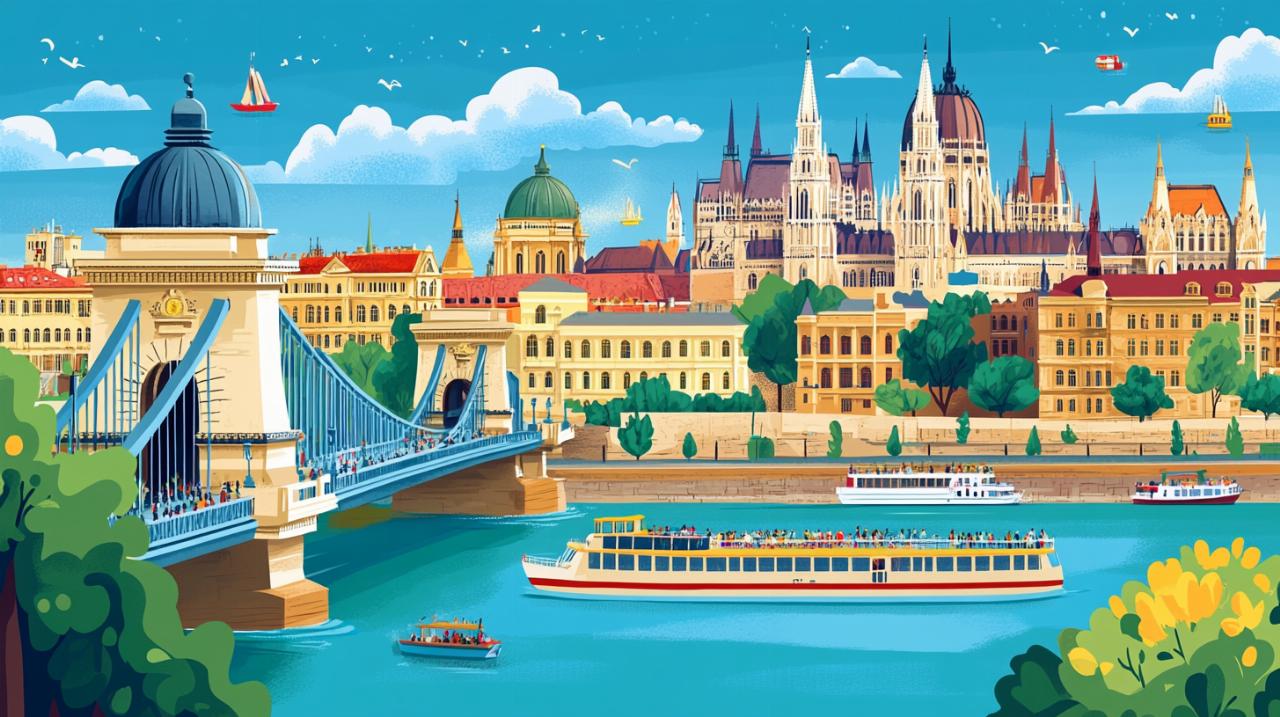
Budapest stands as one of Europe's most captivating capitals, a city where the Danube River divides not just geography but distinct historical and architectural identities. With four days to explore, visitors can savour the grandeur of Buda's hilltop landmarks, immerse themselves in Pest's vibrant cultural scene, and discover the tranquil green retreats of Margaret Island and Óbuda Island. This carefully crafted itinerary ensures you experience the thermal baths, historic monuments, bustling markets, and serene river perspectives that make Budapest such an unforgettable destination for mature travellers, foodies, wine enthusiasts, and anyone seeking a blend of history, culture, and relaxation.
Day one: castle district and buda's historic heights
Morning at Buda Castle and Fisherman's Bastion
Your first morning in Budapest should begin on the Buda side of the river, where centuries of royal history await. The Castle District offers a tranquil introduction to the city's past, with its cobbled streets and medieval architecture evoking a sense of timeless elegance. Buda Castle, perched high above the Danube, serves as the focal point of this area. Once the residence of Hungarian kings, the castle complex now houses museums including the Budapest History Museum, where you can delve into the city's evolution from Roman settlement to modern metropolis. The views from the castle terraces are simply breathtaking, offering sweeping vistas across the river to Pest and beyond. Walking through the grounds, you'll notice the blend of Gothic, Renaissance, and Baroque influences that reflect the city's layered history. After exploring the castle, make your way to Fisherman's Bastion, a neo-Gothic terrace designed in the late nineteenth century. Despite its medieval appearance, the structure was actually built to celebrate Hungary's millennium. The seven turrets represent the seven Magyar tribes that founded the country, and the panoramic views from this vantage point are among the finest in Budapest. If you arrive early enough, you might catch the soft morning light illuminating the Parliament building across the Danube, creating a scene that photographers and romantics alike find irresistible.
Afternoon Exploration of Matthias Church and the Royal Palace
Just adjacent to Fisherman's Bastion stands Matthias Church, a stunning example of Gothic architecture with its distinctive diamond-patterned roof tiles and intricate stone carvings. This church has witnessed coronations, royal weddings, and various transformations over the centuries, including a period when it served as a mosque during Ottoman rule. Inside, the richly decorated interior features colourful frescoes and stained glass windows that tell stories of faith and royal power. After absorbing the spiritual and artistic atmosphere of Matthias Church, continue your exploration of the Royal Palace complex. The palace itself has been rebuilt multiple times following sieges and wars, with the current structure reflecting a blend of historical styles. Within the palace, the Hungarian National Gallery showcases Hungarian art from medieval times through the modern era, offering insights into the nation's cultural development. As the afternoon unfolds, consider taking a leisurely stroll along the castle walls or enjoying a coffee at one of the nearby cafes. The pace in the Castle District is slower and more reflective than in bustling Pest, making it an ideal start to your Budapest adventure. Before descending back towards the river, pause to appreciate how this historic quarter has preserved its character whilst remaining a living part of the city.
Day two: pest's grand boulevards and thermal bath bliss
Discovering Parliament, St Stephen's Basilica and the Jewish Quarter
Your second day shifts focus to Pest, the vibrant eastern bank where grand boulevards, imposing architecture, and lively neighbourhoods define the cityscape. Begin at the Hungarian Parliament, an architectural masterpiece that dominates the riverside with its Gothic Revival splendour. This magnificent building, completed in the early twentieth century, houses the Crown Jewels and serves as the seat of Hungary's National Assembly. Tours of the interior reveal opulent halls, intricate stonework, and historical artefacts, though booking in advance is essential due to high demand. The guided visit typically lasts around fifty minutes, providing a fascinating glimpse into the nation's political and ceremonial life. After visiting Parliament, walk southward along the Danube promenade towards the Shoes on the Danube memorial, a poignant tribute to the Jewish victims of World War Two who were shot and fell into the river. This simple yet powerful installation of cast-iron shoes serves as a stark reminder of the atrocities committed during the Holocaust. Continuing inland, you'll reach St Stephen's Basilica, Budapest's largest church and a symbol of Hungarian Catholicism. The neoclassical facade gives way to a richly decorated interior, and for those willing to climb the steps or take the lift to the dome, the panoramic views across Budapest are well worth the effort. The basilica also houses the preserved right hand of Saint Stephen, Hungary's first king, an object of deep veneration. From here, venture into the Jewish Quarter, one of Europe's most significant Jewish heritage sites. This area, with its historic synagogues and vibrant street life, has experienced a remarkable renaissance in recent decades, blending solemn remembrance with contemporary culture.
Relaxing at Széchenyi or Gellért Thermal Baths
No visit to Budapest would be complete without experiencing the city's legendary thermal baths, and your second afternoon provides the perfect opportunity for this quintessentially Hungarian indulgence. Széchenyi Thermal Baths, located in City Park, represent one of the largest public bathing complexes in Europe. The grand neo-baroque buildings house numerous indoor and outdoor pools, saunas, and steam rooms, all fed by natural hot springs. The outdoor pools are particularly popular, offering the surreal experience of soaking in warm, mineral-rich waters whilst surrounded by ornate architecture, regardless of the season. Locals and visitors alike gather here to relax, socialise, and enjoy the therapeutic benefits of the thermal waters. The atmosphere is convivial and unhurried, embodying a tradition that stretches back centuries to the Roman era and was further developed during Ottoman rule. If you prefer a more intimate and historically atmospheric setting, consider Gellért Baths instead, located at the foot of Gellért Hill on the Buda side. The Art Nouveau splendour of Gellért's main hall, with its colourful mosaics, stained glass, and ornate columns, creates an almost cathedral-like ambience. The various pools, each at different temperatures, allow you to tailor your bathing experience to your preference. Rudas Thermal Baths offers yet another alternative, particularly appealing for its Ottoman-era architecture and rooftop pool with spectacular views. Whichever bath you choose, allocate at least two to three hours to fully unwind and appreciate this essential aspect of Budapest's culture. After your thermal bath experience, the evening might be spent sampling Hungarian cuisine at a traditional restaurant or exploring the ruin bars of the Jewish Quarter, such as Szimpla Kert, where eclectic decor and creative reuse of old buildings have created a unique nightlife scene.
Day three: margaret island retreat and danube river perspectives
Spending a Leisurely Day on Margaret Island's Green Spaces
Margaret Island represents a verdant oasis in the heart of Budapest, offering a welcome respite from the urban intensity of the previous two days. Stretching approximately two and a half kilometres in length, this car-free island in the middle of the Danube provides walking paths, gardens, sports facilities, and historical ruins, all within easy reach of both Buda and Pest. The island is accessible via Margaret Bridge or Árpád Bridge, and many visitors choose to rent bicycles or pedal carts to explore its length. As you enter the southern end of the island, you'll encounter the musical fountain, which performs choreographed water displays to classical music during the warmer months. Further north, the Japanese Garden offers a tranquil spot for contemplation, with carefully arranged plants, rocks, and water features creating a miniature landscape of aesthetic harmony. The ruins of a thirteenth-century Dominican convent, where Saint Margaret of Hungary once lived, provide a tangible connection to the island's medieval past. Margaret Island also houses the Palatinus Baths, a sprawling outdoor aquatic complex that combines thermal pools with recreational swimming areas and water slides, making it particularly popular with families during summer. Beyond the organised attractions, much of the island is simply parkland, perfect for picnics, leisurely walks, or finding a quiet bench to read and observe the river traffic. The rose garden, at its peak in late spring and early summer, bursts with colour and fragrance, whilst the tree-lined promenades offer shade and a sense of escape from the city's bustle. Spending a full morning and afternoon on Margaret Island allows you to experience Budapest at a more relaxed pace, connecting with how locals use this cherished green space for recreation and renewal.
Evening river cruise and chain bridge illuminations
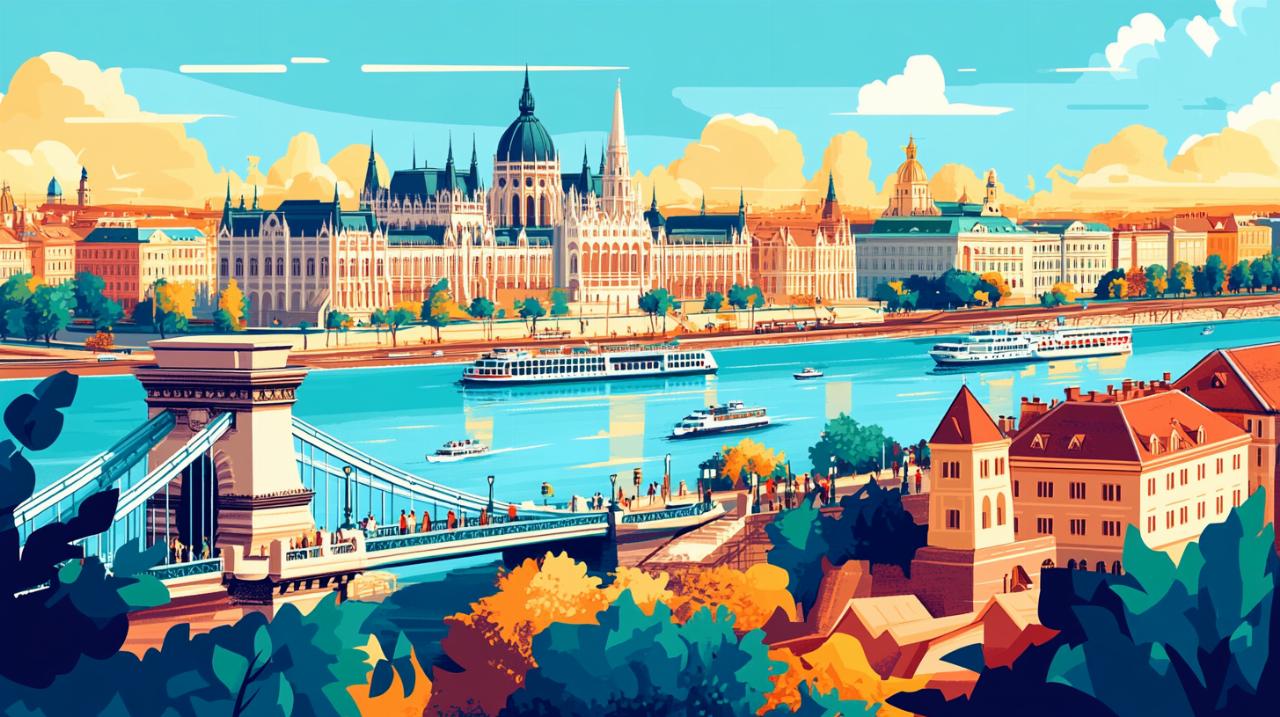
As evening approaches, one of the most memorable ways to conclude your third day is with a cruise along the Danube River. Several companies offer evening cruises that showcase Budapest's illuminated landmarks from the water, providing a perspective that reveals why this city is often called the Pearl of the Danube. As you glide along the river, the Hungarian Parliament building dominates the Pest embankment with its Gothic spires and dome brilliantly lit against the darkening sky. The Castle District and Fisherman's Bastion glow on the Buda hills, whilst the bridges spanning the river each display their own distinctive lighting. The Chain Bridge, Budapest's oldest and most iconic crossing, is particularly striking with its stone lions standing sentinel and its suspension cables forming elegant arcs above the water. Completed in the mid-nineteenth century, this bridge was the first permanent connection between Buda and Pest, symbolising the unity that would eventually give birth to the modern city. Most river cruises last between one and two hours and often include commentary in multiple languages, providing historical context to the sights you're passing. Some cruises offer dinner or drinks, transforming the experience into a romantic evening out. Whether you choose a simple sightseeing cruise or a more elaborate dining experience, the combination of water, light, and architecture creates an enchanting atmosphere. After disembarking, consider a stroll along the Danube promenade, perhaps stopping at one of the riverside cafes or bars to reflect on your day. The illuminated cityscape continues to mesmerise from ground level, and the cooler evening air often brings a pleasant contrast to the daytime warmth, especially during spring and autumn visits.
Day four: óbuda island adventures and local markets
Outdoor Activities and Recreation at Óbuda Island
For your final day, venture to Óbuda Island, a lesser-known recreational area that offers a different dimension to Budapest's island escapes. Whilst Margaret Island attracts visitors with its gardens and historical sites, Óbuda Island appeals to those seeking outdoor activities and a more natural, less manicured environment. Located north of Margaret Island, Óbuda Island is accessible via Árpád Bridge and has become synonymous with summer festivals, particularly the massive Sziget Festival, one of Europe's largest music and cultural events. Outside festival season, however, the island reverts to a peaceful setting for cycling, jogging, picnicking, and various water sports. The flat terrain and dedicated paths make it ideal for extended bicycle rides, and bike rental facilities are available nearby. The island's shoreline allows for relaxed walks along the Danube, where you can observe rowing clubs practicing on the river and watch river traffic passing by. Several sports facilities dot the island, including tennis courts and football pitches, used by local clubs and casual players alike. If you visit during warmer months, the lido and beach areas provide opportunities for sunbathing and swimming, though the Danube's currents mean supervised areas are safest for water activities. Óbuda Island's appeal lies partly in its authenticity as a space used primarily by Budapest residents rather than tourists, offering a glimpse into how the city's inhabitants spend their leisure time. The atmosphere is relaxed and unpretentious, with families, fitness enthusiasts, and groups of friends all sharing the space. After working up an appetite through outdoor activities, you might explore the nearby Óbuda district, the oldest part of Budapest with Roman ruins and traditional Hungarian restaurants serving hearty, home-style cooking.
Browsing the Great Market Hall and Váci Street
Your final afternoon in Budapest should include a visit to the Great Market Hall, officially known as Central Market Hall, located at the Pest end of Liberty Bridge. This magnificent late nineteenth-century structure, with its distinctive coloured roof tiles and wrought-iron galleries, functions as both a working market and a tourist attraction. The ground floor bustles with vendors selling fresh produce, meats, cheeses, and the essential ingredients of Hungarian cuisine, including strings of paprika and jars of ajvar. The atmosphere is lively and authentically local, with shoppers haggling and stallholders calling out their wares. Upstairs, the gallery level offers souvenir stalls selling embroidered textiles, painted eggs, Herend porcelain, and other traditional Hungarian crafts, alongside food stands serving lángos, a beloved Hungarian fried bread topped with sour cream and cheese. Sampling street food here provides a delicious and economical lunch option whilst immersing you in the market's vibrant energy. The architecture itself deserves attention, with its steel framework and decorative elements representing the industrial elegance of the late Habsburg era. After exploring the market, stroll along Váci Street, Budapest's most famous pedestrian thoroughfare, which runs parallel to the Danube through the heart of Pest. This boulevard combines historic buildings with modern shops, cafes, and restaurants, offering a final opportunity for souvenir shopping or simply people-watching. Whilst some dismiss Váci Street as overly touristy, it nonetheless captures a certain cosmopolitan charm and provides convenient access to various side streets where more authentic local businesses operate. As your four days in Budapest draw to a close, you might reflect on how this city has revealed itself through contrasting experiences, from imperial grandeur and thermal relaxation to island retreats and market vitality, leaving you with memories that span centuries of history and the full breadth of Hungarian culture.