
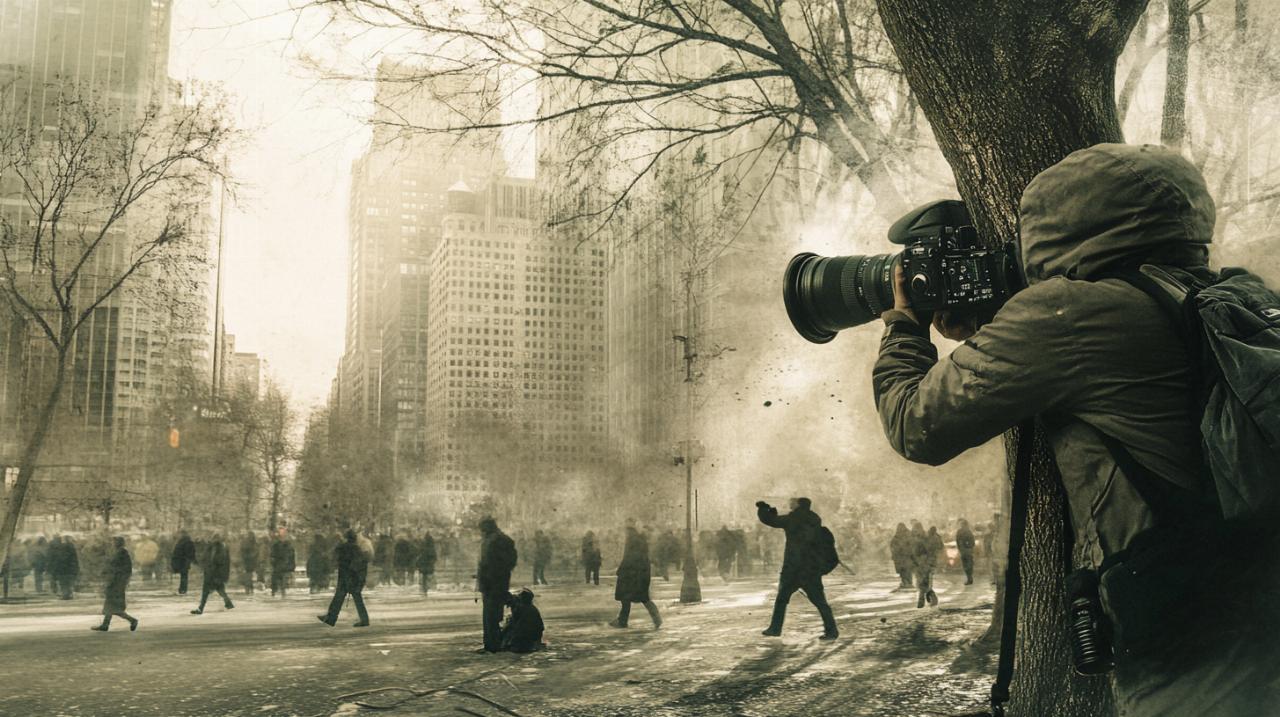
The world of Formula 1 has long captivated millions of fans across the globe, but few stories have gripped public attention quite like the ongoing saga surrounding Michael Schumacher's privacy. Since his devastating skiing accident in 2013, the legendary racing driver has been shielded from public view, with his family fiercely protecting his medical condition and personal dignity. Yet this very secrecy has sparked a troubling undercurrent of exploitation, as individuals have attempted to profit from stolen images and sensitive information. The intersection of celebrity status, medical privacy, and digital-age threats raises urgent questions about how we safeguard the rights of high-profile figures in an era where information can be weaponised for profit or notoriety.
The schumacher photo theft: what we know about the alleged scandal
In the years following Michael Schumacher's tragic accident on the slopes, a disturbing pattern emerged. Private photographs, medical records, and videos related to the Formula 1 icon became targets for those seeking to exploit his family's vulnerability. The media landscape, to its credit, largely refused to engage with these illicit materials. Outlets described the leaked images as ghoulish, recognising the profound ethical breach involved in their acquisition and potential publication. No photographs of Schumacher have been released since his accident, a testament to both the family's vigilance and the general respect shown by mainstream media organisations.
Timeline of Events Surrounding the Stolen Images
The timeline of this troubling saga stretches back to the immediate aftermath of the 2013 accident, when interest in Schumacher's condition was at its peak. Over the years, various attempts were made to obtain and circulate private materials. The situation reached a critical juncture in June 2024, when Swiss authorities received a report from the Schumacher family about a blackmail attempt. The threat was traced to Germany, where it was revealed that individuals were demanding a staggering fifteen million euros in exchange for not releasing personal photographs, videos, and medical records onto the dark web. This brazen extortion attempt highlighted the lengths to which some would go to capitalise on the suffering of a beloved public figure.
The perpetrators of this scheme were eventually identified and brought before a German court. Yilmaz T, a fifty-three-year-old man, was found guilty and sentenced to three years in prison for orchestrating the blackmail plot. His thirty-year-old son received a six-month suspended sentence for his role in assisting his father. A former security guard, Markus F, was also implicated in the scheme and received a two-year suspended sentence, despite his protests of innocence. The judge presiding over the case pointed to the security guard as the originating source of the breach, suggesting that his access to sensitive materials had set the entire chain of events in motion.
Legal Ramifications for Those Involved in the Photo Theft
The legal consequences for those involved in the theft and attempted exploitation of Schumacher's private materials reflect a growing recognition of the seriousness of such offences. However, the Schumacher family's lawyer expressed dissatisfaction with the sentences handed down, arguing that they were overly lenient given the gravity of the crimes. The family has signalled their intention to appeal, seeking harsher penalties that would serve as a stronger deterrent against future violations. One particularly concerning aspect of the case is the continued absence of one hard drive containing sensitive files. This missing piece of evidence has caused ongoing anxiety for the family, as it represents a lingering threat that could resurface at any time.
The legal framework surrounding such cases is complex and varies significantly across jurisdictions. In Germany, the concept of personality rights is enshrined in Paragraph 823 of the German Civil Code, offering robust protection against infringements on an individual's reputation and privacy. This principle was further reinforced by the landmark Soraya case in 1973, where the German Constitutional Court established that injuries to a person's reputation or privacy could be treated as actionable torts. The court emphasised that the law must evolve alongside societal changes, particularly in response to the challenges posed by mass media and, more recently, digital technologies. This evolving legal landscape seeks to balance the competing interests of free speech and privacy, a task made all the more difficult by the rapid advancement of tools such as artificial intelligence.
Celebrity Privacy in the Digital Age: Lessons from the Schumacher Case
The Schumacher case serves as a stark reminder of the vulnerabilities faced by public figures in an era where information can be disseminated instantaneously and anonymously. The digital age has transformed the nature of privacy violations, making it easier for bad actors to access, store, and distribute sensitive materials. The very technologies that have brought us closer together have also created new avenues for exploitation, forcing legal systems and ethical frameworks to adapt at an unprecedented pace.
How Private Medical Information Became a Target for Exploitation
Medical information occupies a particularly sensitive category within privacy law, and for good reason. Details about an individual's health condition are among the most personal and intimate aspects of their life. In the case of Michael Schumacher, his medical status following the brain injury sustained in his accident has been a subject of intense public curiosity. Yet this curiosity does not confer a right to access such information, especially when it has been obtained through illicit means. UK privacy law, which has evolved significantly since 1991, now offers stronger protections for medical information, recognising the potential for harm when such details are disclosed without consent.
The attempted blackmail of the Schumacher family illustrates how medical information can be weaponised. The perpetrators understood that the family's desire to maintain privacy around Michael's condition could be exploited for financial gain. By threatening to release medical records alongside personal photographs and videos, they sought to maximise the emotional and reputational damage that could be inflicted. This calculated cruelty underscores the need for robust legal protections and swift, decisive action when such breaches occur. The involvement of a former security guard in the scandal also highlights the risks posed by insiders who may have legitimate access to sensitive materials but choose to abuse their positions of trust.

The Role of Media Ethics in Publishing Sensitive Celebrity Content
The behaviour of media organisations in the Schumacher case has been notably restrained, with outlets refusing to purchase or publish the stolen images. This collective ethical stance reflects a growing awareness of the boundaries that should govern celebrity journalism. However, not all media practices have been so commendable. A particularly egregious example occurred when the German magazine Die Aktuelle published a fabricated interview with Michael Schumacher, purportedly generated using artificial intelligence. The interview was presented as though Schumacher himself had provided the quotes, despite the fact that he has not spoken publicly since his accident.
The publication of this fake interview sparked outrage and led to the immediate dismissal of the magazine's editor-in-chief. The tabloid issued a public apology, acknowledging the profound breach of trust and the distress caused to the Schumacher family. The family considered legal action, and the incident prompted a broader conversation about the ethical use of emerging technologies in journalism. While English law may not offer a clear cause of action in such cases beyond Article 8 of the European Convention on Human Rights under the 1998 Human Rights Act, the German legal framework provides more explicit protections through the concept of personality rights. This incident serves as a cautionary tale about the potential for new technologies to be misused in ways that undermine fundamental privacy and dignity.
Protecting High-Profile Figures: Legal Frameworks and Privacy Rights in the UK and Beyond
The challenges posed by the Schumacher case are not unique to Germany or to Formula 1 drivers. High-profile figures across the world face similar threats, and the legal systems designed to protect them must continually adapt to new forms of exploitation. In the UK, privacy law has undergone significant development in recent decades, moving from a position where there was limited recognition of a right to privacy to one where such protections are now firmly established. This evolution has been driven in part by the incorporation of the European Convention on Human Rights into domestic law through the Human Rights Act 1998.
GDPR and Data Protection Laws Applied to Celebrity Privacy Cases
The General Data Protection Regulation, commonly known as GDPR, has become a cornerstone of privacy protection across Europe. While it primarily addresses the processing of personal data by organisations, its principles have broader implications for how information about individuals, including celebrities, is handled. Medical records, photographs, and other personal materials fall squarely within the scope of data protection laws, and unauthorised access or distribution of such materials constitutes a serious breach. In the context of the Schumacher case, GDPR principles reinforce the illegality of the actions taken by those who sought to exploit his private information.
Legal practitioners specialising in privacy and reputation management, such as those at Russells Solicitors in London, have noted the increasing importance of these protections. The firm, which operates from Yalding House on Great Portland Street and is regulated by the Solicitors Regulation Authority, has highlighted the availability of court orders to compel media organisations to reveal who attempted to sell stolen materials. Such legal mechanisms are vital in pursuing those responsible for privacy breaches and in sending a clear message that such conduct will not be tolerated. The ability to take swift legal action is particularly important in cases where time is of the essence and where the potential for harm is significant.
Precedents Set by the Schumacher Incident for Future Privacy Litigation
The legal battles surrounding Michael Schumacher's privacy have the potential to set important precedents for future cases. The German Constitutional Court's emphasis on the need for the law to evolve with society is particularly relevant in the context of digital technologies and mass media. Courts are increasingly being called upon to strike a balance between competing rights, such as the right to freedom of expression and the right to privacy. The Soraya case established a foundation for treating privacy infringements as actionable torts, and subsequent cases have built upon this principle to address new challenges.
The use of artificial intelligence to generate fabricated content, as seen in the Die Aktuelle incident, represents a frontier in privacy law that is only beginning to be explored. As technologies like ChatGPT become more sophisticated, the potential for their misuse grows. Legal frameworks must therefore anticipate and respond to these developments, ensuring that individuals are protected against novel forms of harm. The Schumacher case, with its combination of stolen materials, blackmail attempts, and fabricated content, encapsulates many of the key challenges facing privacy law in the twenty-first century. The outcomes of the ongoing legal actions and appeals will be closely watched by legal professionals, media organisations, and privacy advocates alike, as they will help to define the boundaries of acceptable conduct in an increasingly digital world.
The enduring legacy of Michael Schumacher extends far beyond his achievements on the racetrack. His case has become a focal point for discussions about the rights of public figures to maintain their privacy and dignity, even in the face of intense public interest. The efforts of his family to protect his condition and to hold accountable those who have sought to exploit his vulnerability serve as a powerful reminder of the human cost of privacy violations. As legal systems continue to grapple with the challenges posed by new technologies and evolving societal norms, the lessons learned from the Schumacher saga will remain relevant for years to come.